
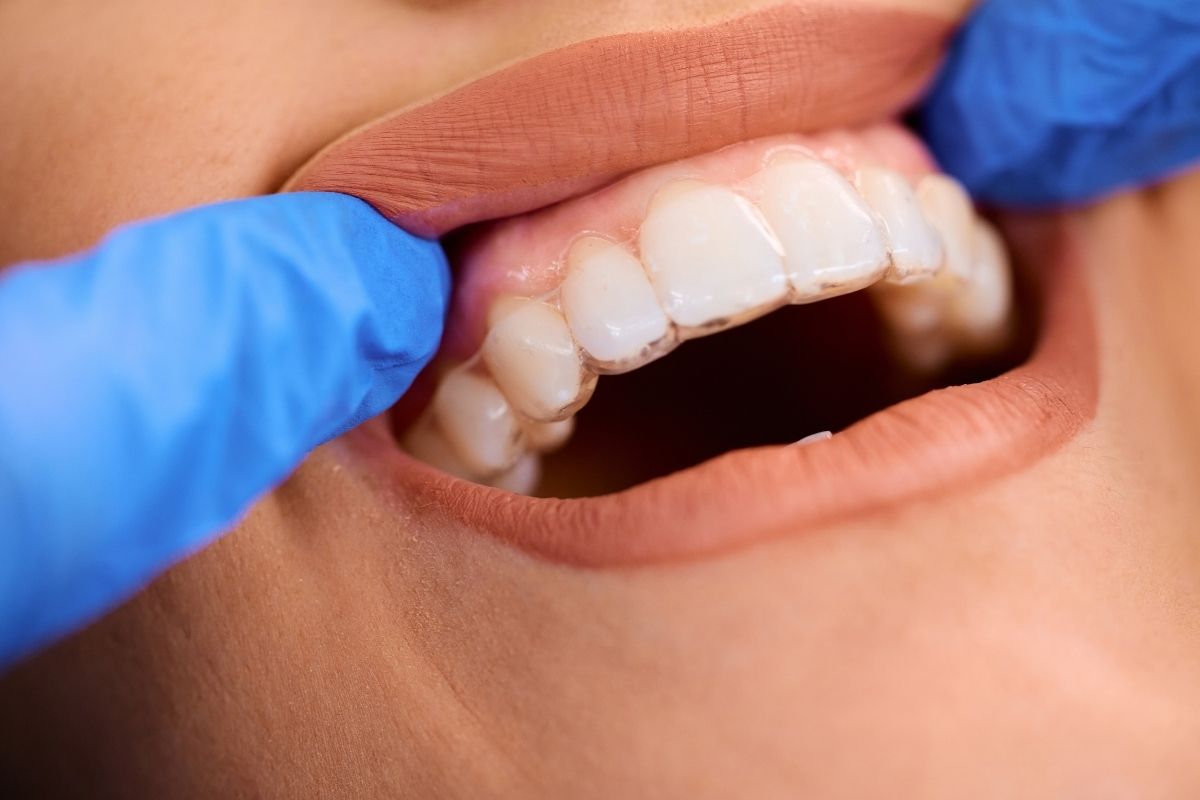
Thinking about straightening your teeth with Invisalign often starts with one simple concern. Will it affect your gums? It is a fair question, especially when online information can feel overwhelming or inconsistent. Gum recession is often mentioned in discussions around orthodontic care, which makes it important to understand what is actually accurate and what may be misunderstood.
For those exploring Invisalign in Spring and The Woodlands, having clear information can make the process feel more approachable.
In many cases, the search for answers leads to finding a provider who not only offers Invisalign but also approaches treatment with careful planning. At Auburn Lakes Orthodontics, Invisalign treatment is provided with that level of attention, serving the communities of Spring and The Woodlands. Each treatment plan begins with a detailed evaluation of tooth position, bite alignment, and gum condition so that every step supports both alignment and the surrounding tissues. Our orthodontist, Dr. Sherrick, takes a proactive approach to addressing concerns related to gum health before treatment begins, helping create a more stable and predictable outcome.
What Is Gum Recession and Why Does It Happen?
Gum recession refers to the gradual movement of gum tissue away from the tooth surface, exposing more of the tooth or root. It usually develops over time and is influenced by a combination of factors such as:
- Gum disease or inflammation
- Brushing too aggressively over time
- Naturally thin gum tissue
- Teeth that are crowded, misaligned, or under excessive force
- Genetic predisposition
Orthodontic care, when properly planned, is not considered a primary cause of gum recession.
Does Invisalign Cause Gum Recession?
Invisalign treatment uses a series of custom-made clear aligners to gently shift teeth into better alignment. When supervised by an experienced orthodontic provider, the process is designed to be controlled and biologically safe.
Gum recession is not a typical outcome of Invisalign treatment. However, certain situations can influence gum response during treatment:
Pre-existing Gum Conditions
If gum inflammation or early periodontal concerns are already present, they may progress if not addressed before starting aligners.
Inconsistent Oral Hygiene
Since aligners are worn for most of the day, plaque buildup can occur if brushing and flossing are not maintained consistently.
Poorly Managed Tooth Movement
Treatment that lacks proper planning or monitoring may place uneven pressure on teeth and surrounding tissues. This is why professional supervision plays an important role throughout treatment.
For those in Spring and The Woodlands considering Invisalign®, a consultation with our team can help determine whether you are a suitable candidate for the treatment. Call us at 346-333-0018 to schedule your appointment with Dr. Sherrick today.
Can Orthodontics Improve Gum Health?
In many cases, aligning teeth can make it easier to maintain healthy gums.
Straighter teeth reduce tight spaces where plaque tends to accumulate, which can support better hygiene habits over time. Additional benefits may include:
- Improved access for brushing and flossing
- Reduced crowding and overlapping teeth
- Balanced bite forces that lessen strain on supporting structures
With the right approach, Invisalign treatment can support gum stability rather than compromise it.
A Simple Guide to Keeping Your Gums Healthy During Treatment
Maintaining gum health during treatment does not need to feel complicated. A few consistent habits can make a meaningful difference:
Keep Your Routine Consistent
Brush thoroughly and floss before placing the aligners back in. This helps prevent plaque from sitting against the gums for extended periods.
Wear Aligners as Directed
Following the recommended schedule allows teeth to move gradually and evenly, which supports the surrounding gum tissue.
Stay on Track With Appointments
Regular visits allow small changes to be monitored early, keeping treatment on a steady path.
Be Gentle With Your Gums
Using a soft toothbrush and controlled pressure helps avoid irritation over time.
When Should Gum Changes Be Evaluated?
If you notice signs such as gum sensitivity, redness, or visible changes in gum position, it is important to have them evaluated early. Any discomfort while wearing aligners should also be discussed with your orthodontic provider without delay.
Prompt evaluation allows any concerns to be identified and managed early, helping prevent further progression and keeping treatment on track.
Putting It All Together
Gum recession is a valid concern, but Invisalign itself is not typically the cause when treatment is properly managed. With thoughtful planning, consistent care, and professional oversight, clear aligners remain a reliable option for improving alignment while maintaining healthy gums.