
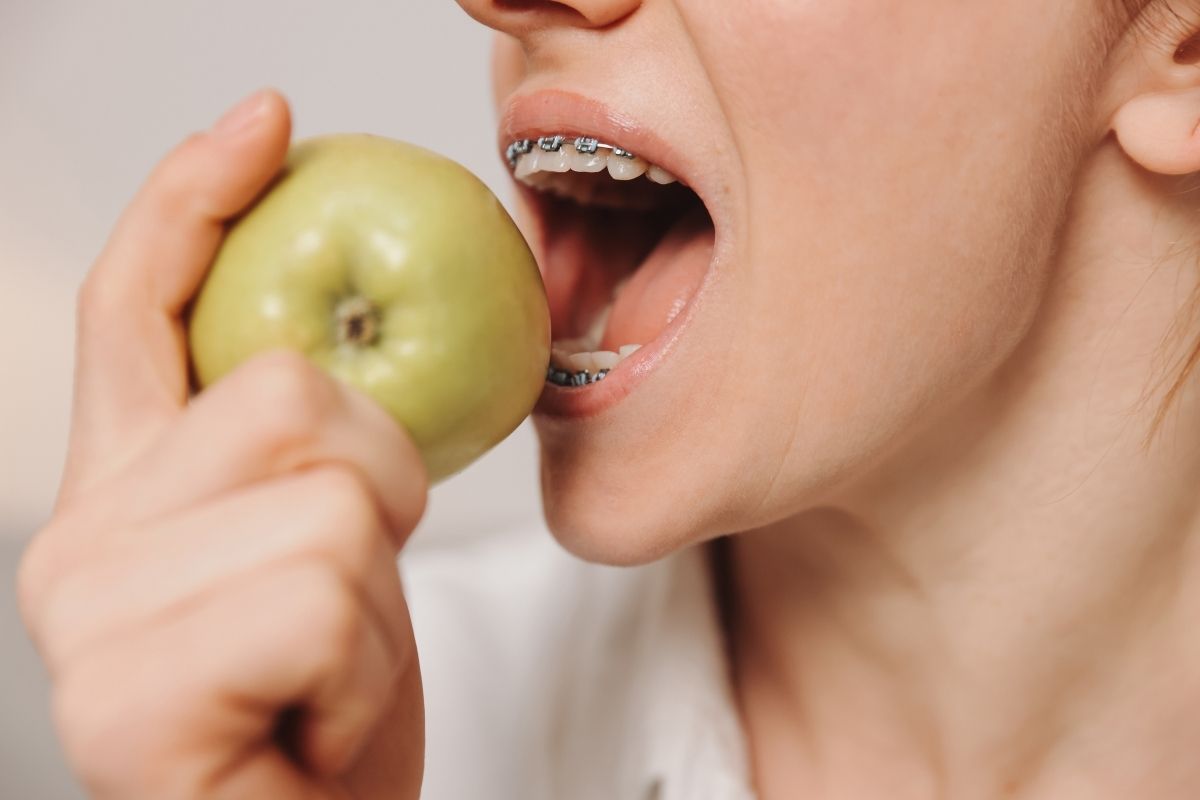
Getting braces is a big step toward a healthier smile, but it comes with a few adjustments, especially when it comes to eating. Right after getting braces, your mouth and teeth may feel sore, making it difficult to enjoy certain foods. Understanding what to eat and what to avoid can make your experience much more comfortable.
At Auburn Lakes Orthodontics, we aim to provide clear, actionable advice to help you get the most out of your braces treatment. Dr. Blake Sherrick and our team have years of experience helping patients in Spring and Woodland get used to their braces with minimal hassle. Let’s explore what you can expect when it comes to eating with braces, and how to keep your treatment on track while enjoying your meals.
Eating with Braces: What to Expect
After your braces are placed, your teeth and gums will likely feel tender for the first few days. This discomfort can make it challenging to eat as usual. To avoid aggravating your teeth and making eating uncomfortable, it’s important to take it easy on your food choices during the first few days.
While you won’t be able to eat like normal right away, you don’t have to settle for bland or boring meals. There are plenty of foods that are soft, braces-friendly, and won’t cause unnecessary pain or risk of damaging your braces.
Understanding the “Break-In” Period
The immediate sensations following an orthodontic fitting are characterized by a localized pressure as the periodontal ligaments begin to respond to the gentle, constant force of the archwires.
During the first few hours, your teeth may feel unusually sensitive to the touch, and your cheeks and lips may need to adapt to the new contours of the brackets. This biological response is a sign that the remodeling of the alveolar bone, the process that allows teeth to move, has commenced. As this process involves a minor inflammatory response, the nerve endings surrounding the roots of your teeth become more reactive, making high-impact chewing uncomfortable.
After getting braces, your diet will need to be temporarily modified to accommodate tooth sensitivity and protect the integrity of the orthodontic bond. While you are not restricted to a liquid-only diet, “normal” eating, defined by biting into crunchy apples, chewing tough meats, or enjoying crusty breads, must be paused.
The composite resin used to attach brackets to your enamel reaches its maximum strength within 24 hours, meaning the first day is a critical window where the hardware is most susceptible to shearing forces. Engaging in heavy chewing too soon can result in a loose bracket, which halts tooth movement and requires a trip back to the clinic for rebonding.
Foods to Avoid After Getting Braces
Right after getting braces, it’s essential to avoid hard, crunchy, or sticky foods that can cause discomfort or damage to your braces. Here are the foods to steer clear of during the first few days:
Hard Foods
Foods like raw carrots, apples, and popcorn can be hard on your teeth and your braces. Biting into hard foods can put unnecessary pressure on your brackets and wires, potentially causing them to loosen or break.
Sticky Foods
Caramel, gum, and chewy candies can get stuck in your braces, making it difficult to clean your teeth. These sticky foods can also cause damage to your braces if you’re not careful.
Tough Meats
Chewy meats, like steak or ribs, require more effort to chew and could cause discomfort or risk damaging your braces. Opt for softer meats that are easier to bite and chew.
Sugary Drinks and Foods
Sodas, sugary candies, and sticky drinks can contribute to plaque buildup around your braces, leading to tooth decay. Limit sugary foods and drinks to maintain good oral health during your braces treatment.
Braces-Friendly Foods to Enjoy
While you’ll need to avoid certain foods, there are many braces-friendly options that are soft and easy on your teeth. Here’s a list of some great options that will keep you full and satisfied during your braces treatment:
Soft Fruits
Bananas, watermelon, and cooked apples are great alternatives to hard fruits. They’re soft and gentle on your teeth, plus they’re packed with essential vitamins.
Cooked Vegetables
Vegetables like spinach, squash, and sweet potatoes can be cooked until soft and easily chewed. They provide essential nutrients without putting pressure on your braces.
Soups and Broths
Soups are an excellent option when you’re first getting used to your braces. They’re soft, easy to swallow, and you can blend them with nutritious ingredients like vegetables and proteins.
Soft Proteins
Scrambled eggs, tofu, and yogurt are all easy-to-eat sources of protein. These foods won’t put strain on your teeth while still providing the necessary nutrition for your body.
Pasta and Rice
Soft pasta and rice are excellent meal choices after getting braces. You can combine them with a variety of soft ingredients, such as vegetables or soft meats, for a balanced meal.
Tips for Eating with Braces
As you get used to eating with braces, it’s important to adopt some new habits that will make your meals easier to manage. Here are a few tips for eating with braces:
- Chew Slowly and Gently: Take smaller bites and chew carefully to avoid putting excess pressure on your braces.
- Use Wax for Comfort: If your braces are causing irritation on the inside of your mouth, try orthodontic wax to reduce discomfort.
- Hydrate Frequently: Drink plenty of water to help keep your mouth clean and flush away food particles.
- Brush After Meals: Braces can trap food and plaque, so make sure to brush your teeth thoroughly after every meal to keep your mouth clean and prevent plaque buildup.
The Importance of Hydration and Hygiene
Hydration also plays a key role in the initial adjustment. The presence of metal or ceramic in the mouth can sometimes alter saliva production or cause minor irritation to the inner lining of the mouth. Drinking plenty of cool water can help soothe inflamed tissues and rinse away food particles that naturally gravitate toward the hardware. This proactive approach to oral hygiene, combined with a thoughtful diet, helps ensure that the “breaking-in” period for your braces is as short and seamless as possible.
As the weeks progress, your comfort will increase, and you will develop a new “normal.” You will learn to cut your food into small, bite-sized pieces rather than biting directly into items with your front teeth. This mechanical adjustment preserves the delicate tie-wires and prevents the archwire from bowing or breaking.
While you may miss the crunch of a Texas-sized crouton or the snap of a fresh carrot, the trade-off is a lifetime of straight, healthy teeth and a bite that functions in perfect harmony. The expertise provided by our clinical team ensures that every patient is equipped with the knowledge and tools to navigate this transformation with total confidence.
Seek Quality Care for a Smooth Braces Experience
Adjusting to life with orthodontic appliances is a temporary phase that leads to lifelong benefits. While the initial dietary changes may require some discipline and the avoidance of a few favorite local snacks, modern orthodontic technology makes the transition manageable and predictable. By choosing soft, nutrient-rich foods and maintaining a consistent oral hygiene routine, you can protect both your investment and your overall oral health.
If you’re ready to begin your braces journey, we invite you to call our office at 346-333-0018 to schedule an appointment with Dr. Sherrick today.
Our office is conveniently located in a major suburban area within the North Houston metropolitan region, proudly serving families throughout The Woodlands and Spring.
FAQs
1. Can I eat pizza with braces?
Yes, you can eat pizza with braces, but avoid tough crusts. Soft crusts and mild toppings like cheese and vegetables are easier to chew.
2. Are chips okay to eat with braces?
Chips can be too hard and crunchy for your braces. They can break your brackets or wires, so it’s best to avoid them.
3. How long should I wait before eating hard foods after getting braces?
It’s best to avoid hard foods for at least the first few days. As your teeth adjust, you can slowly start incorporating harder foods into your diet.
4. Can I drink coffee with braces?
Yes, but avoid drinking it too hot or too often. Coffee can stain your braces, so make sure to rinse your mouth with water afterward.
5. Can I eat ice with braces?
No, chewing ice can damage your braces and harm your teeth. Stick to drinking cold beverages without the ice to prevent any potential issues.
6. How do I avoid damaging my braces while eating?
Chew slowly, take small bites, and avoid hard, sticky, or tough foods. It’s also important to brush after every meal to keep your braces and teeth clean.
7. What should I do if my braces feel tight after eating?
If your braces feel tight after eating, use orthodontic wax to relieve irritation. If discomfort persists, consult your orthodontist for advice.