
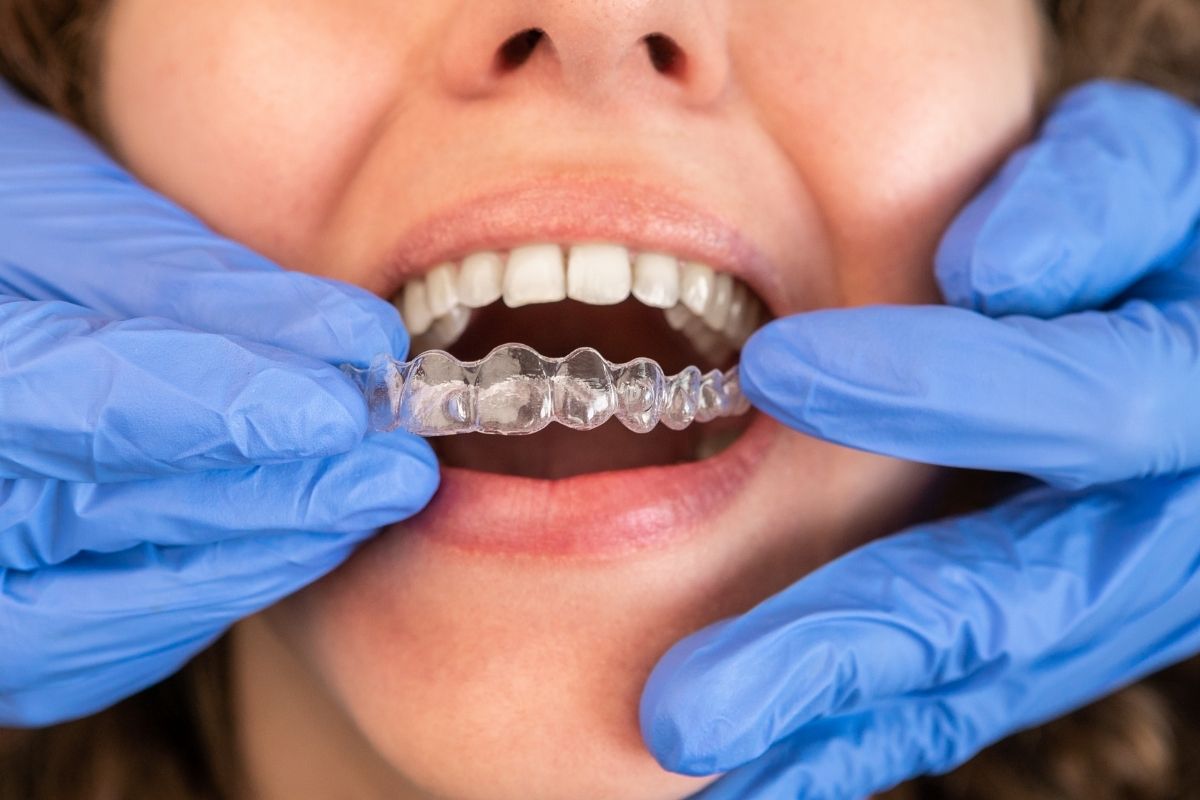
Your gums may seem healthy today, yet hidden damage beneath the surface can quietly affect the future of your smile. Many adults in Spring postpone orthodontic care because they assume previous gum disease or bone loss automatically disqualifies them from clear aligners. In reality, untreated crowding, bite imbalance, and shifting teeth can place even more pressure on vulnerable areas over time.
Modern orthodontic planning has changed significantly. Today, tooth movement depends less on age and more on the condition of the supporting bone and gum tissue. With careful evaluation and controlled force, many adults who previously experienced periodontal problems may still qualify for Invisalign treatment safely and predictably.
This has become increasingly important for adults balancing busy professional schedules, family responsibilities, and active social lives around places like Market Street and The Woodlands Waterway. Many want a discreet solution that improves their smile without interrupting daily routines or drawing unwanted attention.
At Auburn Lakes Orthodontics, we often meet patients who feel nervous after hearing terms like gum recession or bone deterioration. However, many people with previous periodontal concerns may still qualify for aligners after proper evaluation.
Could Past Gum Disease Still Allow You to Straighten Your Teeth?
Yes, in many situations, it can.
The most important factor is whether the infection is active or controlled. If gums continue to bleed, swell, or pull away from the teeth, orthodontic movement may create additional stress. However, stabilized gum health often creates a safer foundation for treatment.
Before beginning Invisalign treatment, your orthodontic team may evaluate:
- Gum pocket depth
- Bone support around the teeth
- Tooth mobility
- Bite pressure patterns
- Signs of chronic inflammation
Many adults in Spring discover that their crowded teeth actually contribute to long-term gum irritation. Tight spaces trap bacteria and make brushing difficult. Correcting alignment can improve access to better oral hygiene over time.
This approach requires careful planning, not rushed movement.
Why Does Bone Support Matter More Than Most People Think?
Teeth do not simply sit inside the gums. They rely on supporting bone to remain stable during movement.
When bone loss develops from an untreated periodontal infection, the roots lose part of their support system. That means orthodontic pressure must be lighter and more controlled.
This is where advanced digital planning becomes important.
Modern custom clear aligners can create gradual tooth movement with precision. Instead of aggressive force, treatment can focus on preserving healthy tissue while improving function and appearance.
Some patients only have mild bone changes around isolated teeth. Others may have generalized loss from years of inflammation. Every case is different.
That is why experienced orthodontic planning matters.
Are Clear Aligners Safer Than Traditional Braces for Sensitive Gums?
For many adults, yes.
Removable aligners offer advantages for patients focused on gum maintenance because brushing and flossing remain easier throughout treatment.
Traditional brackets can trap food and plaque around the gumline. Clear trays remove that obstacle, allowing patients to continue their normal cleaning routines.
Patients with previous gum concerns often appreciate these benefits:
- Easier flossing access
- Fewer plaque retention areas
- Better control of gum inflammation
- Less irritation against soft tissue
- Improved comfort during treatment
This matters during humid spring and summer when schedules become packed with outdoor activities, travel, and family gatherings. Simpler hygiene routines help adults stay consistent with oral care.
That consistency protects both the smile and the supporting structures underneath.
What Happens Before You Start Treatment?
A responsible orthodontic office should never rush someone with a history of periodontal problems into aligner treatment.
When you visit our office in Spring, your evaluation focuses on long-term stability before cosmetic improvements. Your smile may look ready from the outside, but imaging and clinical exams reveal what is happening underneath.
The process may include:
A Full Periodontal Assessment
This checks whether the gums remain healthy enough for tooth movement.
Digital Imaging
Detailed scans help evaluate root positioning and bone levels.
Bite Analysis
Uneven pressure can worsen recession and mobility.
Coordination With Your General Dentist
Some patients benefit from preventive cleaning or gum therapy before beginning aligners.
This approach often leads to stronger results and healthier outcomes.
Could Straightening Your Teeth Actually Help Your Gum Health?
Yes. Crooked teeth create tight areas where bacteria collect easily. Even patients with excellent brushing habits may struggle with cleaning overlapping teeth properly.
After alignment improves, many adults notice:
- Easier flossing
- Reduced plaque buildup
- Fresher breath
- Better gum appearance
- More balanced bite pressure
This does not mean aligners cure periodontal disease. However, properly aligned teeth can support healthier maintenance habits. That distinction matters as a straighter smile should support oral health, not compete against it.
What Signs Suggest You Need an Orthodontic Evaluation?
Many adults wait too long because they assume shifting teeth is simply part of aging. Certain changes may indicate underlying stress on the bite or gums.
Watch for these signs:
- Teeth drifting apart
- Increased crowding
- Gum recession near the front teeth
- Difficulty flossing certain areas
- Teeth feeling loose
- Changes in bite alignment
- Jaw tension or uneven wear
These symptoms often appear gradually. Many adults first notice changes while reviewing family photos or preparing for professional events.
For professionals commuting between Spring and The Woodlands, confidence during conversations and meetings matters. A healthier smile can improve comfort both socially and functionally.
Can Adults With Receding Gums Still Wear Aligners Comfortably?
In many cases, they can. Comfort depends on several factors, including gum thickness, tooth positioning, and bite balance. Thin gum tissue requires special attention because excessive pressure may worsen recession. That is why controlled movement becomes essential.
Experienced orthodontic planning often includes:
- Slower tooth movement
- Smaller aligner adjustments
- Frequent monitoring visits
- Periodic gum evaluations
This conservative approach protects vulnerable areas while gradually improving alignment.
Patients often assume faster treatment always means better treatment. In reality, careful movement may create healthier long-term results.
What Makes Adult Orthodontic Care Different?
Adult orthodontics requires a different mindset than teen orthodontics. Adult bone responds differently. Existing dental work, previous gum therapy, and years of bite pressure all influence planning. That is why treatment should never follow a generic formula. The treatment plans focus on:
- Smile function
- Gum preservation
- Facial balance
- Long term stability
- Lifestyle convenience
Adults also appreciate flexibility. Removable aligners fit naturally into busy schedules, professional settings, and social activities. Whether enjoying local restaurants near Hughes Landing or attending community events around Spring and nearby areas, locals prefer an option that feels subtle and comfortable.
Looking for a Safer Path Toward a Healthier Smile?
If previous gum concerns have kept you from considering orthodontic treatment, now is a good time to get answers based on your current oral health rather than assumptions.
At Auburn Lakes Orthodontics, our team provides personalized evaluations for adults with gum recession, a history of periodontal disease, or concerns about bone support. We focus on modern diagnostics, careful treatment planning, and realistic goals designed around long-term comfort and stability.
Whether you are exploring clear aligners or other orthodontic options, we help individuals and families throughout Spring and The Woodlands better understand what treatment may be possible for their smile and oral health needs. Contact our office to schedule a consultation and learn whether aligners may still be a safe and effective option for you.
Your Smile Deserves a Plan Built Around Your Comfort
Many spend years believing they waited too long. The truth is that modern orthodontic care continues evolving, especially for patients with complex dental histories. We believe healthy smiles should feel stable, functional, and natural at every stage of life. Our team at Auburn Lakes Orthodontics proudly serves families and professionals throughout Spring and The Woodlands with care focused on precision, comfort, and lasting results. The right treatment begins with understanding your foundation first, then building a smile that supports your future with confidence.
Frequently Asked Questions (FAQs)
Can clear aligners make loose teeth worse?
Teeth with severe instability may not tolerate orthodontic movement safely. A detailed evaluation helps determine whether remaining support can handle gradual pressure during alignment treatment.
Does previous periodontal treatment permanently prevent orthodontic care?
Successful periodontal treatment may stabilize the gums enough for future tooth movement. Long-term maintenance and controlled planning often play a larger role than past infection history alone.
Why do teeth shift more after gum disease?
Bone and tissue loss reduce the support that holds teeth in position. As support weakens, everyday chewing pressure can slowly change spacing and alignment patterns.
Are retainers more important after adult orthodontic treatment?
Adult teeth naturally become more resistant to staying in new positions over time. Consistent retainer use helps protect alignment results and reduces future shifting risks.
Can bite problems contribute to ongoing gum irritation?
Uneven bite pressure may place repeated stress on certain teeth and the surrounding tissue. That constant force can sometimes worsen inflammation and accelerate wear patterns throughout the mouth.